
A great winter dress loses its appeal when your legs are freezing before you reach the car. The best tights to wear with dresses in winter should keep you comfortably warm, fit without constant adjusting, and work with the clothes you already own. That sounds simple—until you’re comparing denier numbers, fleece linings, wool blends, and pairs that promise everything.
Your ideal choice depends on how much time you spend outside, how warm your destination is, and the dress you’re wearing. A pair that feels perfect during a windy commute might feel overwhelming in a crowded restaurant.
Here’s how to choose winter tights that make getting dressed easier, with practical advice on fabrics, fit, colors, and everyday outfits.
What Are the Best Tights to Wear With Dresses in Winter?
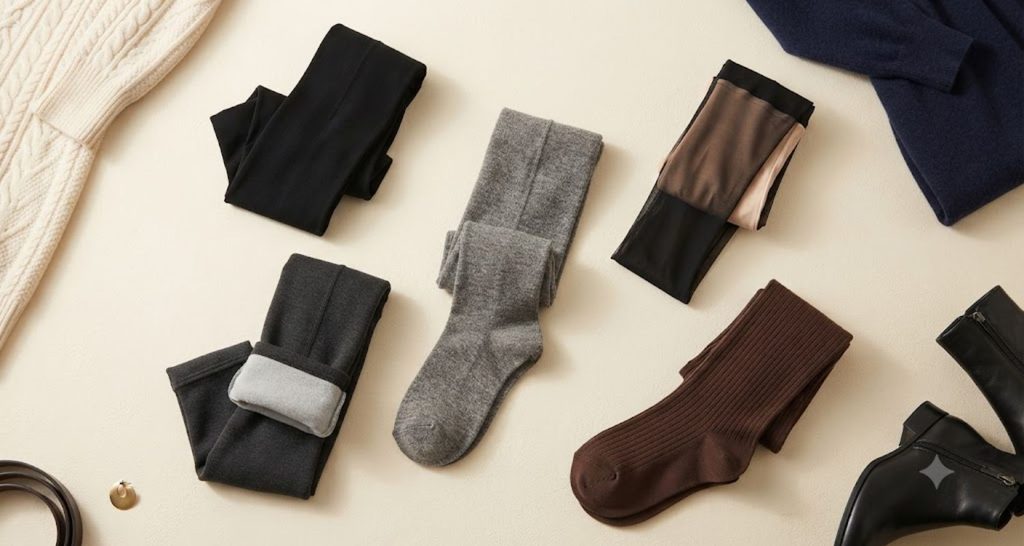
For everyday winter outfits, start with opaque tights around 80–100 denier. Choose fleece-lined tights when warmth takes priority, merino wool blends for changing indoor and outdoor conditions, and sheer-look thermal tights when you want a dressier finish. These are useful starting points, not guaranteed temperature ratings.
| Type of tights | Best suited to | Appearance | What to check |
|---|---|---|---|
| Opaque nylon blends | Office outfits and everyday dresses | Smooth, solid coverage | Waistband comfort and stretch |
| Fleece-lined tights | Colder outings and casual outfits | Usually thick and opaque | Bulk inside shoes and boots |
| Merino wool blends | Days with walking and indoor stops | Matte, sometimes textured | Wool percentage and skin comfort |
| Sheer-look thermal tights | Evening outfits and winter occasions | Sheer effect over an opaque lining | Lining shade and ankle finish |
| Ribbed sweater tights | Relaxed dresses and weekend wear | Noticeable knit texture | Whether the dress catches on the fabric |
| Lightweight sheer tights | Heated venues with brief outdoor transfers | Translucent, dressy finish | Limited insulation |
There isn’t one winner for every situation. Think of winter tights as a small wardrobe of useful options rather than a single pair expected to handle everything.
Note : Please check out a complete guide about What to Wear to a Winter Baby Shower here.
What Denier Tights Should You Choose for Winter?
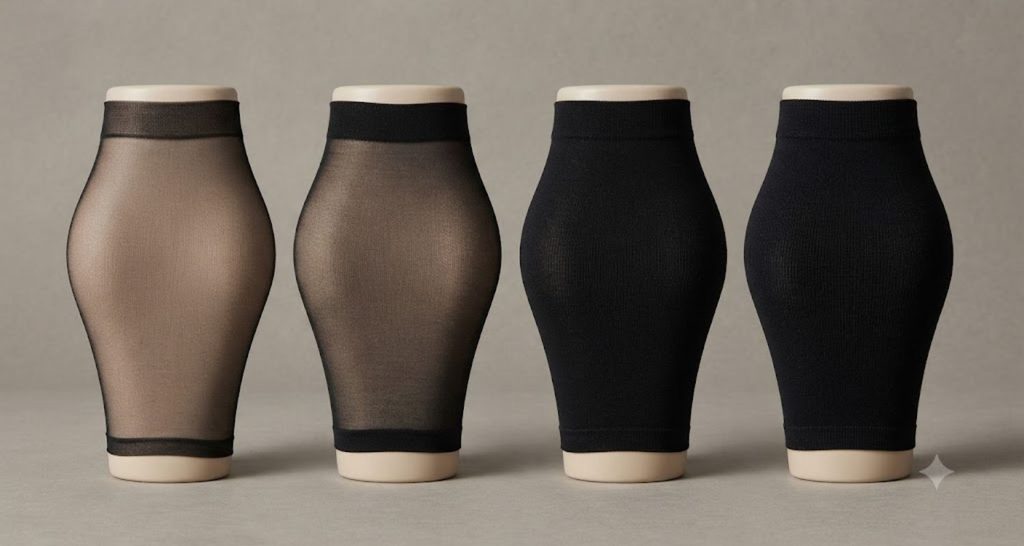
Denier describes yarn weight; it isn’t a direct measurement of warmth. Higher-denier tights generally look more opaque, but fiber type, knit construction, lining, and how much the fabric stretches also affect the finished result.
Sheer vs. Opaque Tights: Understanding Denier
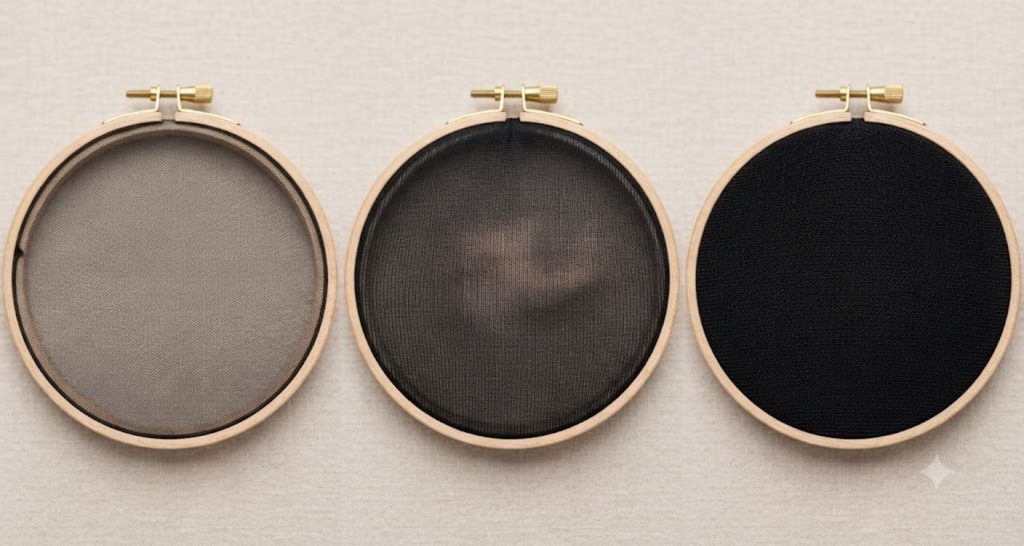
As a rough shopping guide, 10–20 denier usually gives a sheer finish, while 30–50 denier offers more coverage. Around 60–100 denier generally moves into opaque territory, although brands use these descriptions differently.
For winter shopping, 80–100 denier is a useful starting point if you want substantial coverage without automatically choosing a fleece lining. Wolford’s cold-weather guidance similarly points shoppers toward opaque and ultra-opaque tights in the 60–100-plus range.
Why Higher Denier Doesn’t Always Mean More Warmth
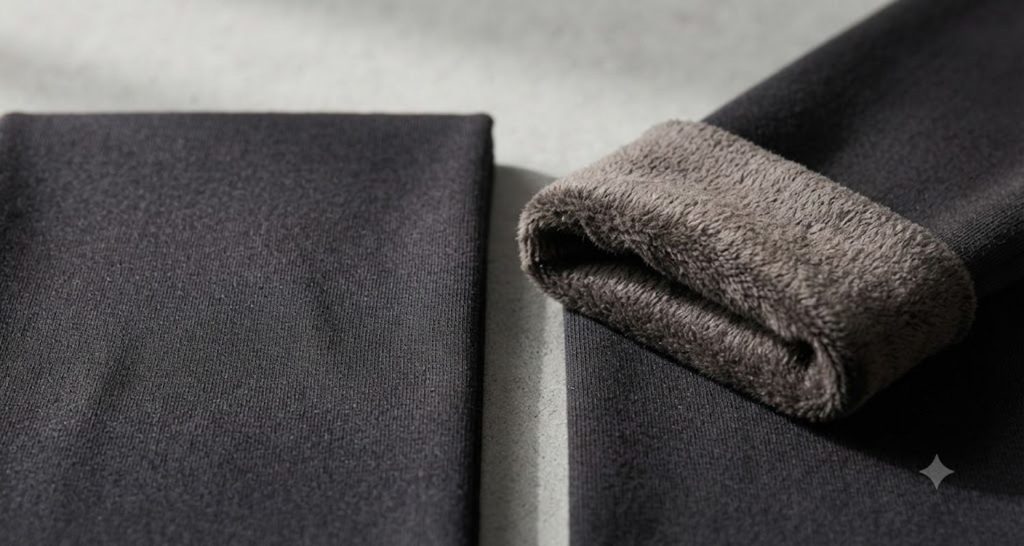
Two pairs marked with the same denier can feel different. One might have a compact, smooth knit; another might include a brushed interior or a different fiber blend.
Read the composition and construction details alongside the number. If a listing gives an unusually high denier figure but little information about the actual fabric, don’t treat that number as proof of superior insulation.
Note : Best Tips about Winter Wedding Guest Dress Not Too Formal here.
Which Tights Fabrics Work Best for Winter Dresses?
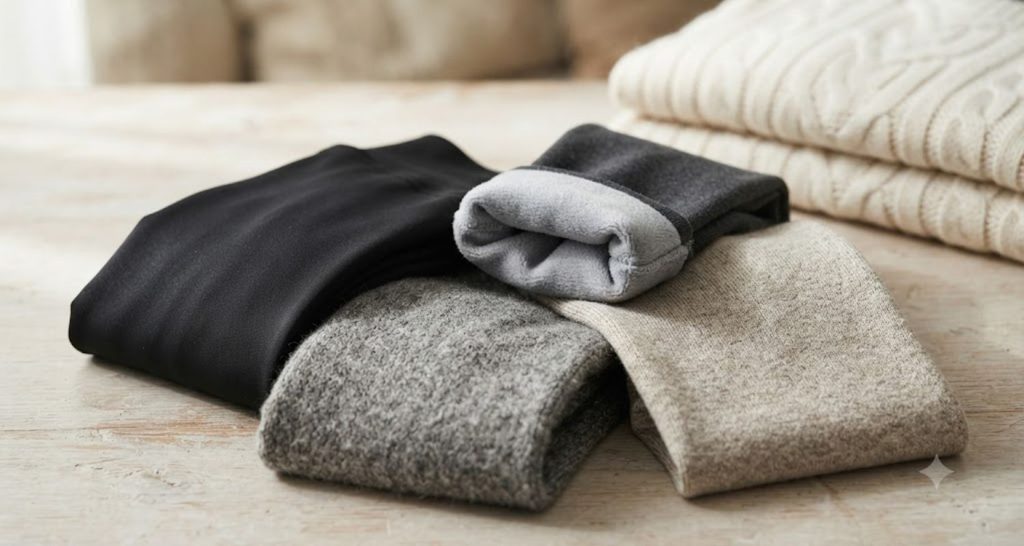
The most useful question isn’t simply, “Which tights are warmest?” Ask, “Which tights will feel comfortable through everything I’m doing today?”
Opaque Nylon-Blend Tights for Everyday Wear
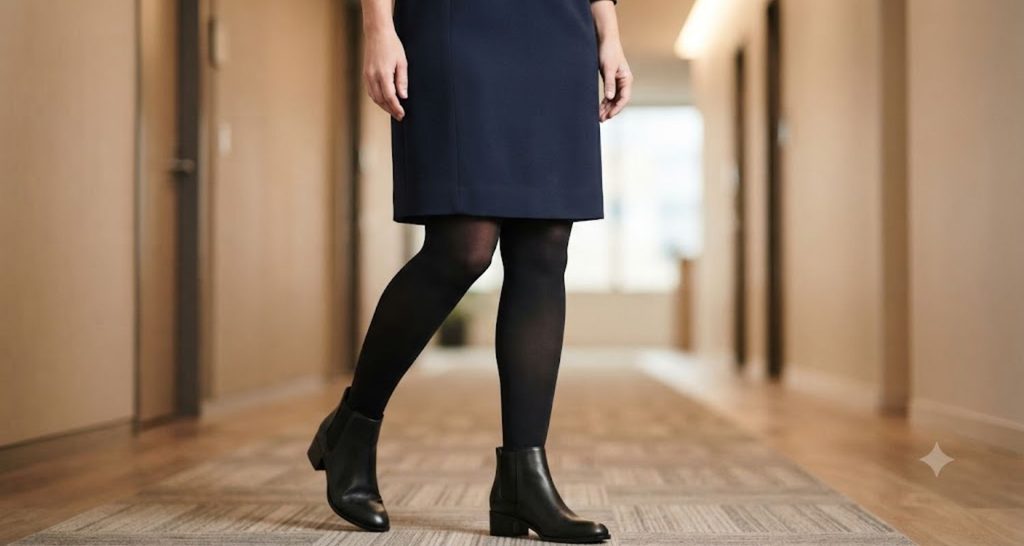
Nylon blended with elastane is a practical choice when you want a smooth finish under dresses. These tights usually fit neatly inside ankle boots, loafers, and other shoes that don’t leave much room for thick layers.
Try a matte pair with a work dress or a printed midi. Look for comfortable stretch and consistent coverage when you bend your knees, rather than judging the fabric only while standing.
Fleece-Lined Tights for Extra Insulation
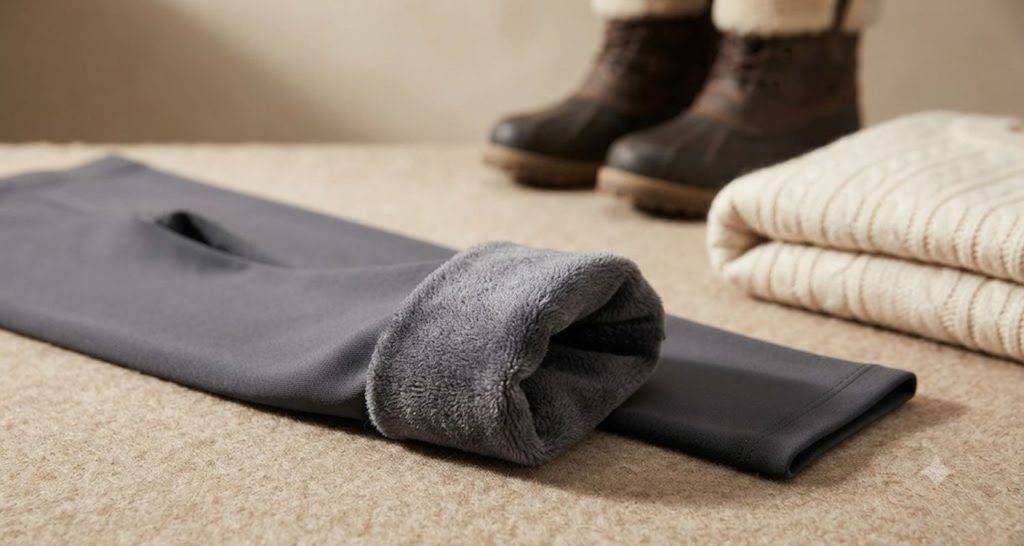
Fleece-lined tights have a soft inner surface designed to provide more insulation than an unlined fashion pair. They’re worth considering when your day includes outdoor queues, chilly sidewalks, or a longer walk between parking and your destination.
Thickness varies considerably. Check whether the lining extends through the feet, because some designs switch to thinner fabric around the ankles or toes.
The trade-off is bulk. Your favorite fitted boots may feel different with a lined pair underneath, so test the complete outfit before leaving home.
Merino Wool Blends for Changing Conditions
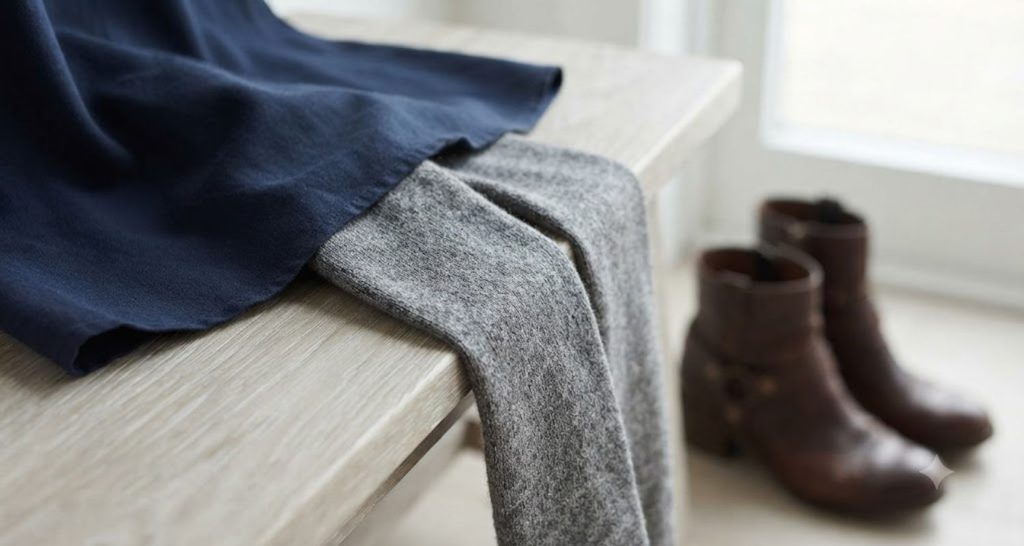
Merino wool blends can suit days that move between outdoor walking and heated spaces. REI’s base-layer guidance describes wool as moisture-managing and odor-resistant, while synthetic fabrics generally dry faster; blends can combine useful qualities from both. Those fiber characteristics help explain why composition matters in winter legwear, too.
Check the actual wool percentage rather than relying on the product name. If wool sometimes irritates your skin, prioritize softness and a return policy that lets you assess the fabric within the seller’s rules.
Cotton Blends for Mostly Indoor Plans
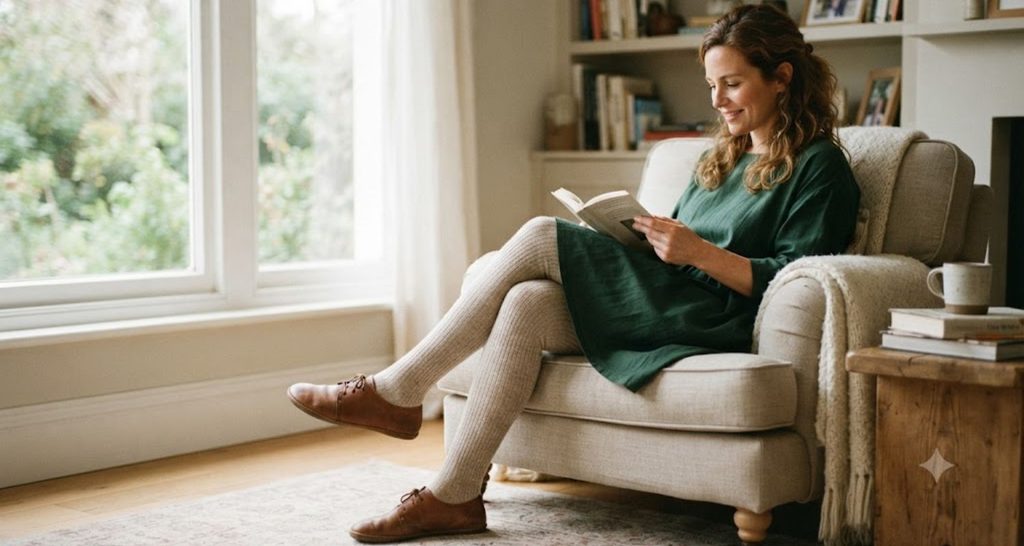
Cotton-blend tights can feel familiar and comfortable for a day spent mainly indoors. They’re an option for relaxed outfits when you don’t expect much outdoor exposure.
For a long, active day in cold weather, moisture management deserves more attention. Cotton generally dries more slowly than wool or common performance synthetics, making it a less useful default when you may become sweaty or damp.
Note : Best tips about How to Dress Up a Simple Black Dress here.
How to Match Winter Tights With Different Dresses ?

Your dress’s weight and surface matter almost as much as its color. A thick ribbed tight can complement one dress and catch awkwardly against another.
With Sweater Dresses

Smooth opaque tights give a sweater dress a balanced finish without adding another strong texture. If you prefer a cozy, layered look, try fine-ribbed tights under a looser knit dress.
Picture a charcoal sweater dress, black tights, and black ankle boots. It’s an easy formula for a casual office or weekend lunch, and you can add warmth through your coat and footwear.
If the dress rides up as you walk, friction between the fabrics may be part of the problem. A suitable slip can help it move more freely.
With Work Dresses

For a sheath, shirt dress, or tailored A-line style, start with smooth tights in black, charcoal, or navy. A matte finish keeps the outfit understated and works particularly well with structured fabrics.
Pay attention to the waistband under a fitted dress. A wide, comfortable band and flatter seams may create a smoother outline than a tight control panel that digs in when you sit.
With Midi and Maxi Dresses

A longer hem gives you more flexibility because less of your tights shows. You can prioritize comfort and warmth, then use boots to cover the remaining gap.
A printed midi with opaque tights and tall boots is a practical example. Check the tights while seated, though: that’s when the hem rises and any mismatched color becomes more noticeable.
With Mini Dresses
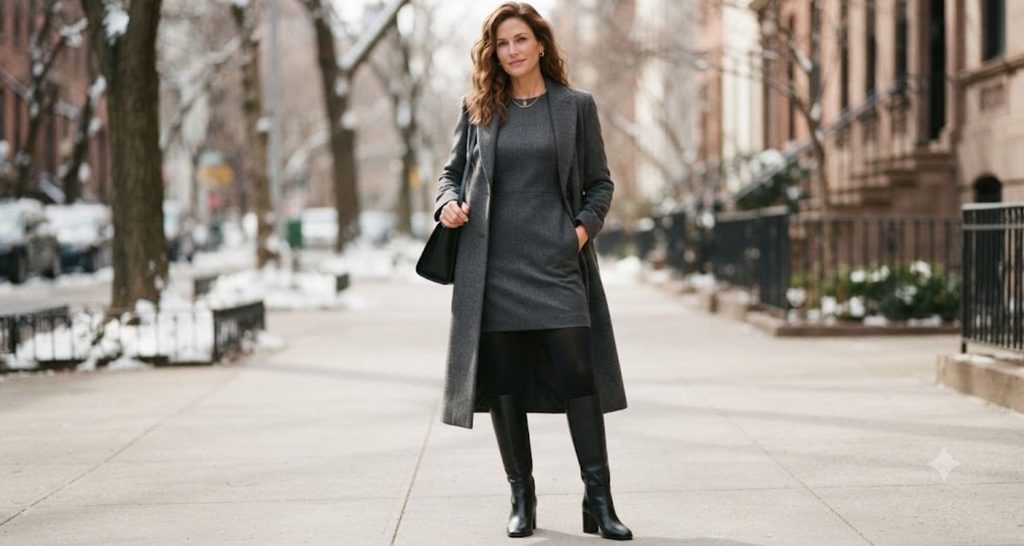
A shorter dress leaves more of your legs exposed, so your tights have a bigger job. Opaque, fleece-lined, or wool-blend options are sensible starting points when you’ll spend time outdoors.
For an easy outfit, combine a structured mini dress with opaque tights and knee-high boots. Add a longer coat so your warmth doesn’t depend entirely on one layer of hosiery.
With Satin and Occasion Dresses
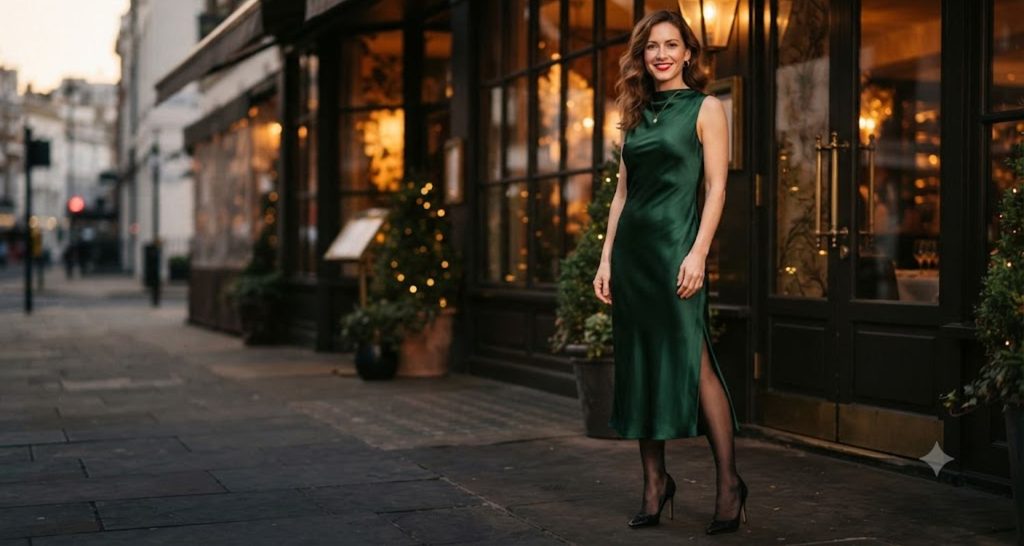
Lightweight dresses often work best with a smooth surface underneath. Thick seams, heavy ribbing, or a bulky waistband may show through satin or interrupt how a bias-cut dress falls.
Sheer-look thermal tights can provide a dressier appearance with more substance than conventional sheers. Test them with the dress in daylight and indoor lighting before committing to the combination.
Best tips about Coquette Style Dress Outfit Ideas here.
Are Sheer-Look Thermal Tights Worth Buying?
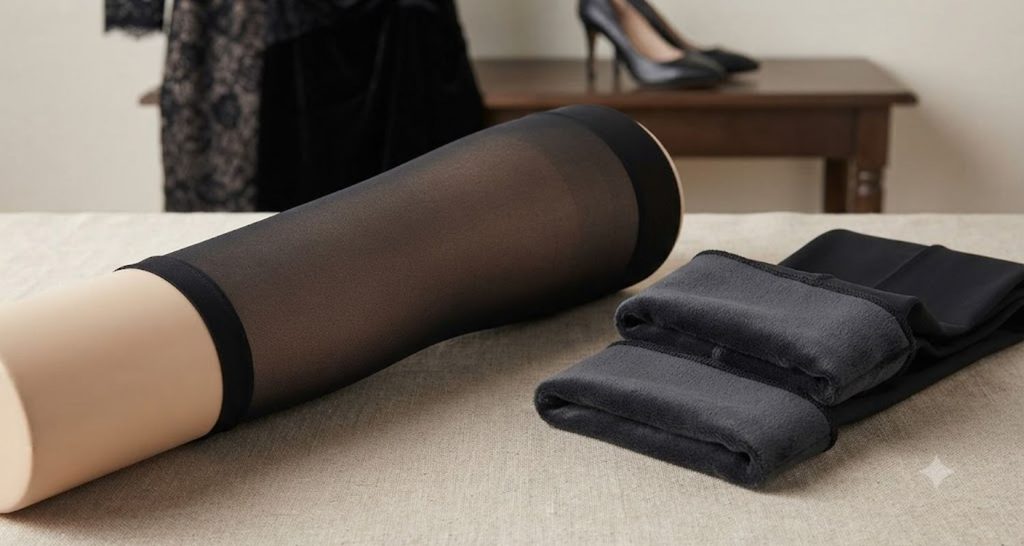
Sheer-look tights use a lining beneath a darker outer layer to create the appearance of translucent hosiery. You get the visual effect of sheer black tights while your legs remain covered by an opaque base.
They can be useful for winter dinners and parties, but the details make a difference.
Check the Lining Against Your Skin Tone
The lining influences the final color. A shade that looks natural on one person may appear orange, gray, or noticeably pale on someone else.
Look for several lining options and customer photos taken in ordinary lighting. Compare the tights with visible skin around your hands, neckline, and face rather than relying only on a product image.
Inspect the Feet, Ankles, and Seams
Some pairs create a visible transition where the thick lining ends. Boots may hide it, while pumps or low-cut shoes can leave it exposed.
Also check the front and back seam placement. A pair that looks convincing under a loose dress may create distracting lines beneath a close-fitting evening style.
How to Choose Winter Tights in Five Steps

A few minutes of planning can save you from buying tights that look promising but never leave the drawer.
- Estimate your outdoor time. A short walk from the car requires a different outfit from a lengthy commute with outdoor waiting.
- Consider your destination. A heavily heated office may make thick fleece uncomfortable after you arrive.
- Match the dress fabric. Choose smoother tights for lightweight or fitted dresses; experiment with texture under heavier, looser styles.
- Test your footwear. Make sure the tights don’t crowd your toes or create uncomfortable seams inside your shoes.
- Check movement and fit. Sit, walk, bend, and use stairs before deciding whether the pair works.
Imagine heading to a holiday dinner after walking several city blocks. The best outfit has to handle both the journey and the warm restaurant—not just look good in the bedroom mirror.
How to Find Winter Tights That Fit Comfortably

Even beautifully made tights become frustrating if the crotch drops, the toes pull, or the waistband rolls. Good fit should let you forget about them.
Use Each Brand’s Size Chart
Check height, weight, hip measurements, and any additional guidance the brand provides. Your usual clothing size won’t always translate directly to hosiery.
If you fall between sizes, read the brand’s recommendation. Sizing up can help in some cases, but too much extra fabric may bunch at your ankles or slide during the day.
Choose a Waistband You Can Sit In
A wide waistband often spreads pressure more comfortably, but construction and sizing matter more than width alone. High-rise tights work for some people; others prefer a lower or softer band.
Try sitting for several minutes. If you immediately want to fold the waistband down, it’s unlikely to become more pleasant halfway through a long dinner.
Look for Proportions That Suit Your Body
Tall, petite, maternity, and extended-size ranges can offer more suitable proportions than a limited standard range. Look beyond the headline size to leg length, rise, and stretch.
If tights repeatedly slip despite a firm waistband, they may lack enough length through the legs or body. Pulling harder at the waist won’t fix the underlying mismatch.
What Color Tights Should You Wear With Winter Dresses?
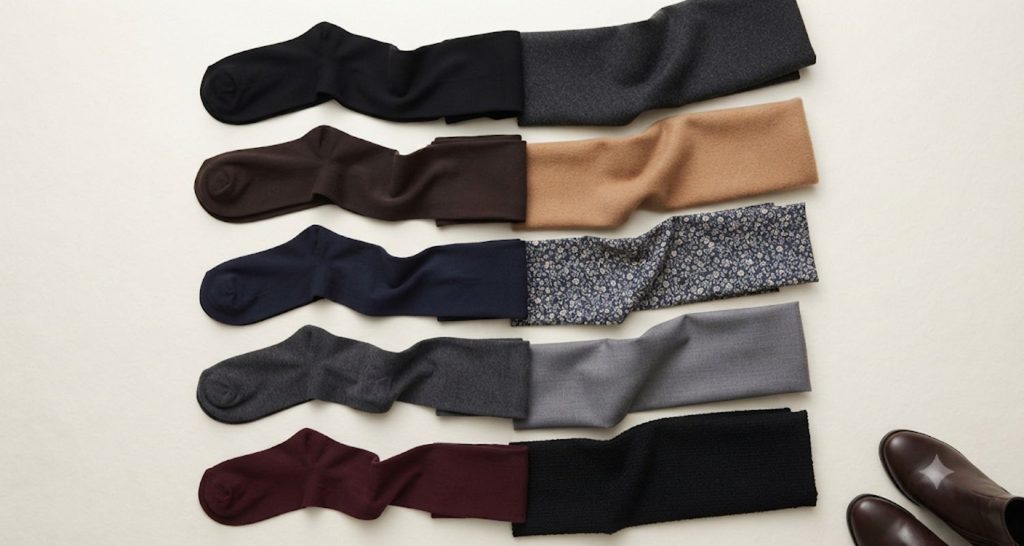
Black is versatile, but it isn’t compulsory. Your tights can blend into an outfit or introduce a deliberate accent.
Black for an Easy Starting Point
Black opaque tights pair easily with dark florals, jewel tones, denim, and many neutral dresses. Matching them with black shoes or boots also creates a continuous line through the lower half of your outfit.
For a softer effect with a pale dress, try charcoal or a less dense black pair. The right balance depends on how much contrast you enjoy.
Brown, Navy, and Charcoal for Softer Combinations
Chocolate tights work well with camel, rust, olive, and warm cream. Navy can complement blue prints and gray dresses, while charcoal offers a gentler alternative to solid black.
Your tights don’t need to match your dress exactly. Repeating a color from your shoes, belt, or print can make the combination feel intentional.
Burgundy and Other Colors for Interest
Burgundy tights can add depth to a charcoal dress or a simple black outfit. Forest green and deep plum offer similar possibilities without requiring a bright head-to-toe look.
Keep the rest of the outfit relatively simple when you’re experimenting. One clear color accent is often enough.
What Shoes Work Best With Winter Tights?
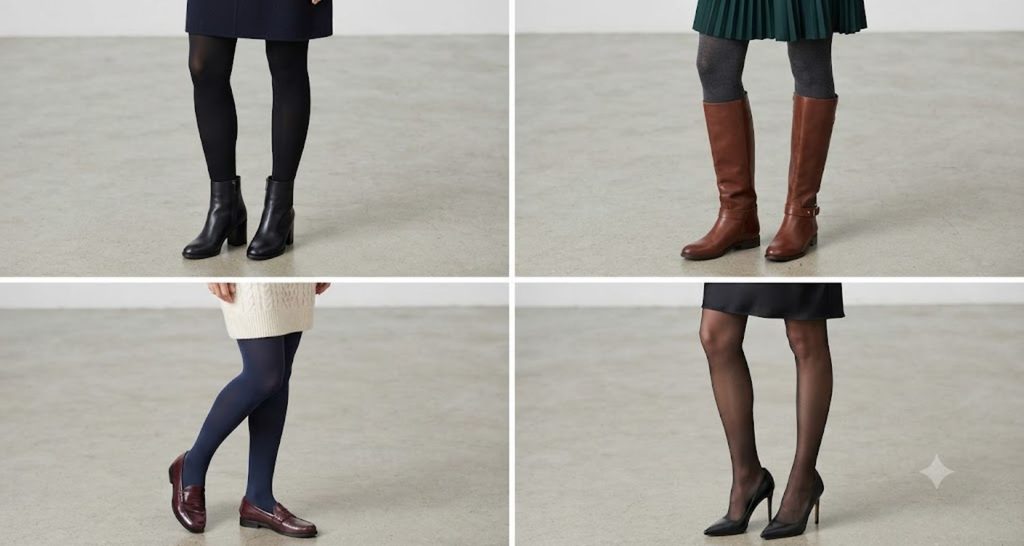
Footwear changes how warm and comfortable the whole outfit feels. The thickest tights won’t compensate for shoes that squeeze your feet or expose them to wet conditions.
Ankle Boots and Knee-High Boots
Ankle boots work neatly with smooth opaque tights, especially when the colors coordinate. Knee-high boots cover more of your legs and can make shorter dresses feel more practical in winter.
Check the boot lining and closures for rough areas that might snag your tights. Also make sure thicker hosiery doesn’t turn a comfortable fit into a tight one.
Loafers and Pumps
These shoes usually leave less room for bulky fabric, so smoother tights often work better. Try them together at home instead of assuming your usual shoe fit will stay the same.
For a dressy event, you can travel in weather-appropriate boots and change when you arrive. That small adjustment often makes the outfit easier to manage.
Common Winter Tights Mistakes to Avoid
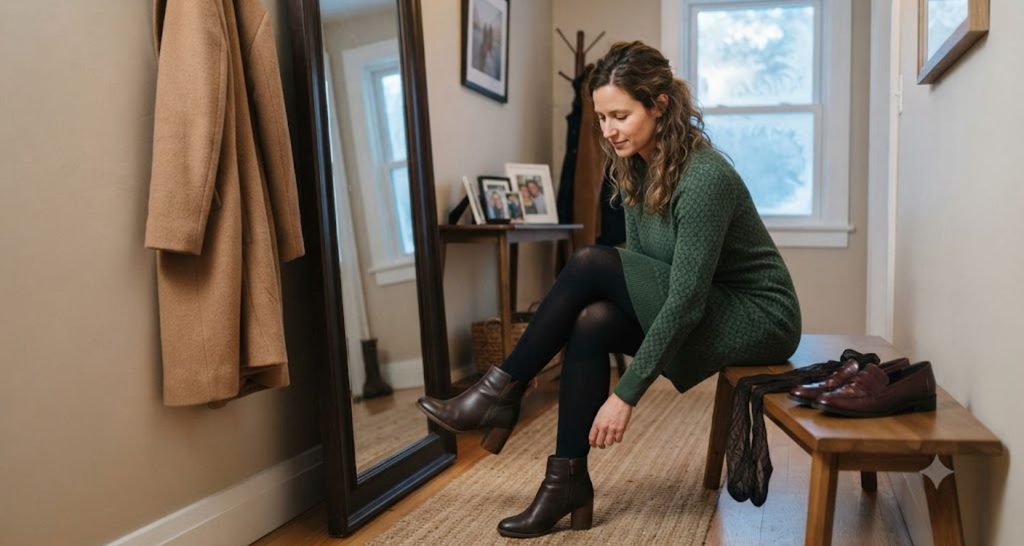
Choosing for appearance alone. A sheer pair might complete the outfit visually while offering little insulation for a long outdoor wait. Plan for the journey as carefully as the destination.
Buying the tightest possible fit. Excessive stretching can make tights feel restrictive and change their coverage. Follow the size guidance instead of choosing a smaller size for extra hold.
Assuming “thermal” means a specific warmth level. Read the lining, fabric, and construction details. Product descriptions don’t always provide comparable temperature guidance.
Forgetting the rest of your outfit. A longer coat, suitable boots, and a heavier dress can all contribute to comfort. In severe cold, consider warmer layers for travel and change at your destination.
How to Help Your Tights Last Longer
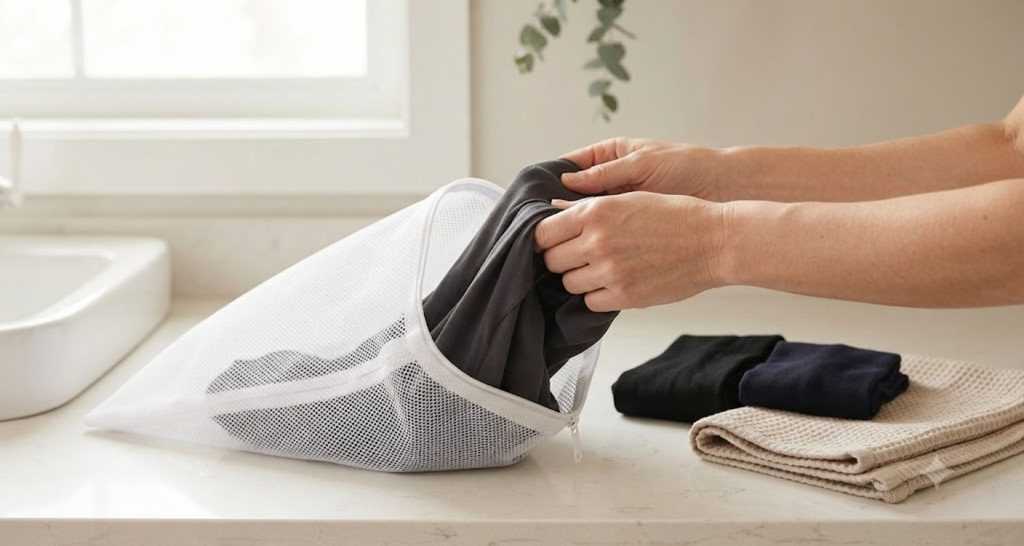
Start by following the care label. Wool blends, delicate sheers, and lined synthetic tights may need different washing and drying methods.
When putting them on, remove snagging jewelry and gather each leg toward the toe. Ease the fabric upward in small sections rather than pulling from the waistband.
If machine washing is allowed, a mesh laundry bag helps separate tights from zippers and hooks. Use the recommended cycle and drying method, and avoid heat when the label advises against it.
Store clean tights away from rough fastenings. A little care is easier than discovering a fresh snag five minutes before leaving.
Frequently Asked Questions
What denier tights are best for winter?
Around 80–100 denier is a useful starting point for opaque everyday winter tights. However, denier describes yarn weight rather than a guaranteed warmth level. For longer outdoor periods, look at the fabric, lining, and construction as well as the number, then consider your coat, dress length, and footwear.
Are fleece-lined tights warmer than regular tights?
Fleece-lined tights generally provide more insulation than lightweight, unlined fashion tights because they add a brushed inner layer. However, thickness and construction vary between products. Check whether the lining covers the feet, and remember that a thicker pair may feel too warm in heavily heated indoor spaces.
Can you wear sheer tights with dresses in winter?
Yes, sheer tights can work for winter outfits when you’ll spend most of your time indoors and have only brief outdoor transfers. They provide limited insulation. For a similar appearance with more coverage, consider sheer-look lined tights, then check the lining shade and visible seams against your dress.
How do you stop tights from falling down?
Start by checking the size chart, including height and hip measurements. Tights may slide when they’re too short through the body or too loose overall. Distribute the fabric evenly from your toes upward, position the crotch correctly, and choose a waistband that stays comfortable while you sit and walk.
Can you wear tights under a long dress?
Yes, tights work well under midi and maxi dresses and can add a useful layer without changing the outfit much. Choose a smooth finish if the dress tends to cling. Check the color while seated, and make sure any seams or texture don’t show through lightweight fabric.
Make Winter Dresses Comfortable Enough to Wear

The best tights to wear with dresses in winter are the ones that suit your actual routine. Start with a comfortable pair of opaque tights for everyday outfits, then add a fleece-lined or wool-blend option if colder outings call for it.
Before removing the tags, check the fit with your dress and shoes according to the retailer’s return policy. Sit down, walk around, and look at the outfit in natural light. You’re aiming for warmth and comfort that last beyond the first five minutes.